Cowboy Writing Notebook Line Art: A Designer’s Practical Take
As an embroidery designer and product reviewer with years of hands-on experience, I always approach a new design with a critical eye. Cowboy Writing Notebook Line Art caught my attention not just for its aesthetic but for how it could realistically translate into various projects. This isn’t just another illustration—it’s a thoughtful graphic that brings a nostalgic yet modern vibe to any embroidered surface.
First Impressions and Design Personality
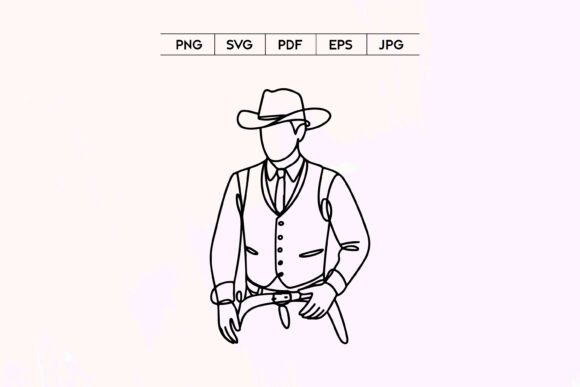
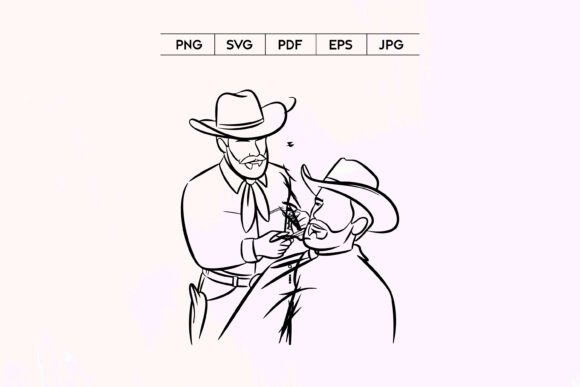
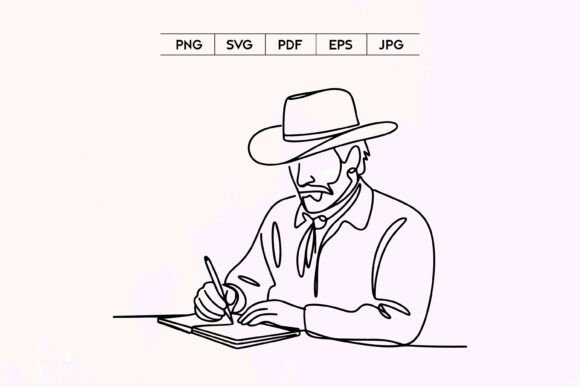
The moment I opened the digital preview, I was struck by the clean, minimal lines and the storytelling quality of the design. It features a classic cowboy motif—perhaps a notebook open on a saddle or a stylized silhouette of a lone rider with a journal in hand. The theme feels both rugged and refined, like something you might see etched onto a vintage leather journal or stitched subtly onto a custom tote bag.
Its layout is balanced and intentional. There are no unnecessary frills or overcomplicated elements. Instead, the focus is on the line work—each stroke contributes to the overall mood. The level of detail is moderate, which means it won’t overwhelm smaller surfaces but still has enough character to stand out on larger ones. The visual personality is understated and versatile, leaning toward handmade charm rather than high-contrast commercial branding.
Where It Naturally Fits
This design feels at home in custom apparel, especially when paired with western-themed accessories. I can already imagine it as part of a sweatshirt embroidery project, adding a touch of authenticity without being too loud. On a tote bag design, it would serve as a quiet statement piece—perfect for a boutique shop or Etsy listing targeting fans of Americana and rustic style.
It also works well for personalized gifts. Picture this: a baby item like a onesie or muslin blanket, where the cowboy motif is softened with gentle pastel thread colors. Or maybe a holiday gift tag stitched onto felt and framed neatly. In these cases, the line art adds a sense of thoughtfulness and uniqueness that customers will appreciate.
Real-Life Embroidery Performance
I tested Cowboy Writing Notebook Line Art on a few common fabrics and found it performs best on medium-weight cottons and blends. The stitch clarity remains sharp even after washing, which is important for items like aprons or tea towels that might see daily use. For machine embroidery design purposes, it handles well with both satin and running stitches, depending on the desired effect.
When using fill stitch areas (like the body of the notebook), I noticed that the design doesn’t get too dense, which is great for minimizing puckering. That makes it ideal for small shop products where fabric integrity is key. However, if you’re aiming for a more dimensional look, you may want to consider layering it with a subtle applique design for added texture.
Customer Reaction and Project Fit
One of the things I value most in a design is how it resonates with real customers. After showing a mockup to some friends who run craft businesses, they were drawn to the idea of using it on embroidered patches for denim jackets or as a printable mockup element for digital product sellers. The simplicity of the line art allows it to be reinterpreted easily, making it adaptable for different audiences.
For Etsy sellers, the design could elevate a basic tote bag into something memorable. When paired with complementary fonts or small icons, it creates a cohesive design asset set that enhances the handmade presentation. It’s also a good candidate for nursery decor—imagine it stitched onto a pillow cover or wall hanging with soft, neutral threads.
Use with Caution: Real-World Limitations
While Cowboy Writing Notebook Line Art is versatile, there are a few scenarios where it needs careful consideration. First, avoid using it in small hoop sizes. The details require a bit of space to breathe, so anything under 4 inches might lose definition. Second, it doesn’t perform as well on textured fabrics—especially those with nap or raised patterns. The stitching tends to flatten the visual impact slightly.
On thin or stretchy fabric, like rayon or spandex blends, the design’s fine lines can distort unless properly stabilized. Always test on scrap material first. Dark backgrounds also pose a challenge unless you choose bright thread colors. The line art lacks bold shading, so contrast becomes essential for visibility.
Another thing to keep in mind is curved surfaces. If you're working on a cap embroidery or hat design, the straight lines might not flow as naturally. You’ll need to adjust the placement carefully or scale down the design significantly.
Design Notes for Best Results
- Test on scrap fabric before committing to a final product. Especially for delicate or stretchy materials.
- Check thread color contrast against your chosen fabric. Black or white threads often yield the best visibility.
- Review stitch density settings—this design works well with standard fill and satin stitches but can become matted if over-stitched.
- Confirm hoop size requirements based on your machine. While file formats include SVG, PNG, EPS, JPG, and PDF, exact stitch counts aren’t provided, so do your due diligence.
- Inspect small details like pen strokes or notebook edges. These are best seen up close, so make sure your target audience will appreciate them.
- Try it in black and white mockups to see how it behaves without color bias.
- Compare how it looks on light versus dark fabric backgrounds. This helps determine if additional design layers or outlines are needed.
- Use proper stabilizer for optimal results, especially on woven or lightweight materials.
- Check whether the design works across personal and commercial embroidery applications. Licensing terms aren’t specified, so verify before selling finished items or digital assets.
Visual Appeal and Marketability
What really sets Cowboy Writing Notebook Line Art apart is its ability to add visual appeal without shouting for attention. It’s subtle enough for minimalist tastes but detailed enough to feel meaningful. As an embroidery file, it’s easy to integrate into existing templates or layered designs, making it a valuable addition to any craft business’s design library.
Customers tend to trust products that look intentionally designed. This line art elevates the perceived product value simply by looking professional and well-crafted. Whether it’s a personalized sweatshirt or a finished product for resale, the design contributes to a sense of quality and brand consistency.
From a giftability standpoint, it’s perfect for creating bespoke items that resonate emotionally. A customer buying a custom apparel piece with this design probably wants something unique and expressive—not generic mass-produced stuff. That emotional connection increases buyer engagement and repeat sales.
Final Thoughts from the Workbench
In the world of digital embroidery files, many illustrations either lack character or are too complex for practical use. Cowboy Writing Notebook Line Art finds a nice middle ground. It’s not flashy, but it’s full of quiet confidence. It tells a story through form and line, which is exactly what handmade products should do.
For apparel decorators and small shop product creators, this design offers a reliable base that can be adapted to multiple styles and markets. Just remember to respect the limitations—especially when dealing with tight spaces or challenging materials. With the right preparation and attention to detail, it can become a staple in your creative toolkit.
If you’re an embroidery designer or a creative entrepreneur looking to expand your offerings, take a closer look at Cowboy Writing Notebook Line Art. It’s not just about what it looks like—it’s about how it feels and functions in the real world. And sometimes, that’s what turns a simple graphic into a lasting design asset.