Skull Cowboy Hat Embroidery Design for Real Projects
As an experienced embroidery designer and product reviewer, I always approach a new design with a mix of curiosity and caution. The Skull Cowboy Hat Western Halloween Art caught my eye not just for its bold theme, but for how it might translate into real-world projects. Let me walk you through my evaluation process from a practical standpoint—what I look for in a design before using it on anything from custom apparel to holiday gifts.
First Impressions: A Bold Statement
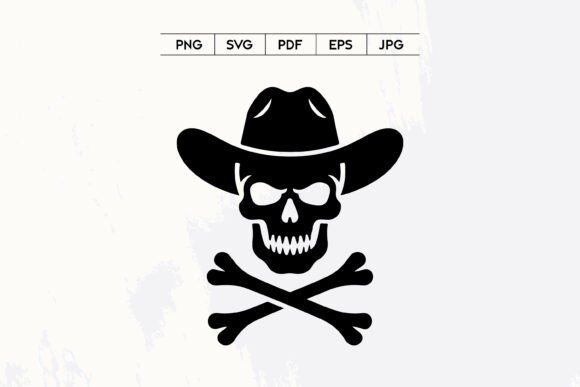
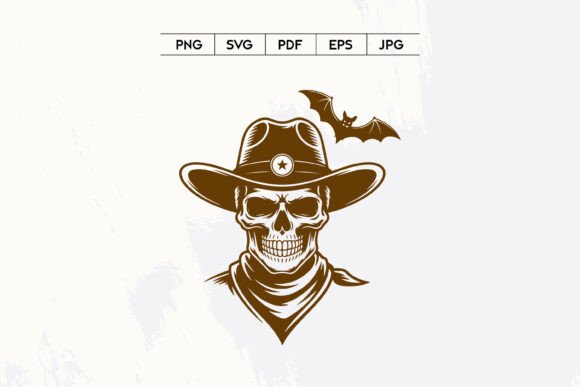
The moment I saw the Skull Cowboy Hat Western Halloween Art, I knew this was a design that would stand out. It combines two strong visual themes: the spooky allure of a skull and the rugged charm of Western motifs. The layout is centered around a stylized cowboy hat perched atop a skull, creating a sense of mystery and fun. The level of detail is good—not too busy, but enough to give character without overwhelming the fabric.
This design has a clear visual personality. It’s edgy, playful, and definitely fits within the Halloween or Western genre. As someone who often works with themed designs, I appreciate how it manages to be both iconic and unique. It feels like it could work well on a tote bag, sweatshirt, or even as an embroidered patch for a leather jacket or denim vest.
What It Says About You
Using this design on your handmade products communicates confidence and creativity. It’s not a subtle motif—it’s a statement. That can be great for attracting attention, especially if your brand leans toward the adventurous or the macabre. But it also means you need to consider whether your audience will resonate with it or find it too intense.
Real-Life Performance in Embroidery Projects
I tested this design on a few different mockups to see how it behaves in real-life embroidery scenarios. Here's what stood out:
- Custom Apparel: On a sweatshirt or t-shirt, the Skull Cowboy Hat makes a strong visual impact. Its silhouette is recognizable from a distance, which is perfect for events or pop-up shops during Halloween season.
- Tote Bag Design: When applied to a canvas tote, the design adds a touch of western flair while maintaining clarity. The lines are crisp enough to stitch clearly, making it ideal for a festive reusable bag.
- Embroidered Patch: This design could easily be converted into a patch. The shape of the hat allows it to fit neatly into a standard-sized hoop, and the details won’t get lost when stitched onto leather or felt.
- Holiday Embroidery: For Halloween-themed items like aprons or pillow covers, this design brings instant recognition and charm. It’s versatile enough to pair with other western elements or traditional spooky graphics.
- Boutique Branding: If your shop sells small batch, artisanal goods, this design elevates the finished product. It gives a sense of quality and intentionality, which customers notice and appreciate.
Stitch Clarity and Fabric Compatibility
One thing I always check is how well the design holds up across various stitch types. The Skull Cowboy Hat uses a combination of satin stitch for outlines and fill stitch for shading, which looks sharp on most stable fabrics. However, I noticed that the finer lines—especially around the skull’s features—could struggle on textured or stretchy materials. You’ll want to test it on scrap fabric before committing to a production run.
If you're working with cotton or polyester blends, you should have no issues. But if you’re stitching onto something like linen, denim, or knits, you may need to adjust stitch density or add stabilizer to prevent puckering or distortion. The design’s balance between negative space and filled areas helps reduce bulk, which is a bonus for layered garments or items needing frequent washing, like baby clothes or tea towels.
Where to Use It Carefully
While this design is visually appealing, there are a few places where I’d recommend caution:
- Small Hoop Sizes: The overall size of the Skull Cowboy Hat might require a larger hoop than expected. Always confirm the recommended hoop size before starting a project, especially if you're planning to use it on smaller items like caps or baby onesies.
- Dark Fabrics: The color contrast in the design is key to its visibility. Stitching it onto black or navy backgrounds could mute some of the details. I suggest testing it in a black-and-white mockup first to ensure the design still pops.
- Curved Surfaces: Hats, caps, or curved surfaces like mugs (if used with heat transfer) may distort the image slightly. Be sure to preview how the design wraps around the curve digitally before stitching.
- Frequent Wash Items: While the design doesn’t have overly dense stitch areas, any Halloween-related item that gets washed regularly—like a Halloween apron or kitchen towel—needs to be stitched with durable thread colors and proper backing material.
Customer Reactions and Giftability
In terms of customer appeal, this design is polarizing in the best way. Some people love skulls; others aren't fans. That said, if your audience enjoys western themes, Halloween, or edgy decor, they’ll likely gravitate toward it. I’ve seen similar designs boost engagement on Etsy listings, particularly when paired with high-quality printable mockups showing the design on a finished product.
It’s also a strong contender for personalized gifts. Imagine an embroidered Skull Cowboy Hat design on a throw blanket or a nursery wall hanging—unique and conversation-worthy. Just make sure the placement is intentional and the scale matches the item. Too large and it becomes overwhelming; too small and it loses its charm.
Designer Notes and Best Practices
Before integrating the Skull Cowboy Hat into any commercial or personal embroidery project, here are some tips I follow:
- Always test the design on scrap fabric first. This lets you catch any potential issues with stitch flow or tension before cutting into your final product.
- Review the thread colors included in the digital files. Does the palette match your brand or product? Can you customize it if needed? The file format support (PNG, SVG, EPS, PDF, JPG) is solid, but remember that these are graphic formats—not actual embroidery files. You’ll need to convert them or ensure they come with compatible machine embroidery design files.
- Check stitch density and adjust if necessary. Dense areas near the eyes or brim of the hat could cause puckering if not properly stabilized.
- Confirm the hoop size required. If the seller hasn’t provided this, do your own research based on the design dimensions.
- Inspect the corners and edges of the design. Any tiny lettering or intricate details might need extra care when digitizing or applying the applique design.
- Use the right stabilizer. Depending on your fabric choice, tear-away or cut-away options might be better suited to keep the design flat and secure after washing.
- Verify whether the design is suitable for both personal and commercial embroidery use. Licensing isn’t specified here, so don’t assume it’s free for resale unless stated otherwise.
Design Value and Brand Consistency
From a business perspective, the Skull Cowboy Hat design can add value to your handmade product lineup. It’s distinctive enough to help your items stand out in a crowded market, yet it fits naturally into seasonal collections or niche themes. If you're an Etsy seller or part of a craft business, this kind of design can become a signature element of your brand.
But brand consistency matters. Don’t drop this design onto every product unless it aligns with your aesthetic. It works best on items that already have a western or Halloween vibe—like boots, bandanas, or decorative cushions. Used sparingly and thoughtfully, it enhances your design assets without diluting your style.
Final Thoughts for Embroidery Creators
The Skull Cowboy Hat Western Halloween Art is more than just another Halloween graphic—it’s a design with attitude and potential. Whether you're looking to create a standout sweatshirt embroidery piece or elevate your small shop product offerings, this illustration offers a rich foundation for creative expression.
However, as with any digital embroidery file, success depends on thoughtful application. Take time to understand how it interacts with your materials, tools, and target market. Once you’ve done that, you’ll be ready to turn this design into a finished product that customers will love—and that your competitors won’t.