Review: Silhouette of Cowboy Herding Cattle at S
As an embroidery designer and product reviewer with years of experience in crafting custom pieces for clients and my own handmade shop, I’ve learned that the best designs are those that balance visual appeal with practicality. When I first laid eyes on Silhouette of Cowboy Herding Cattle at S, I was drawn to its clean lines and minimalist approach. It’s a design that speaks to modern aesthetics while carrying a timeless theme — making it a strong candidate for both personal and commercial embroidery projects.
First Impressions and Design Personality
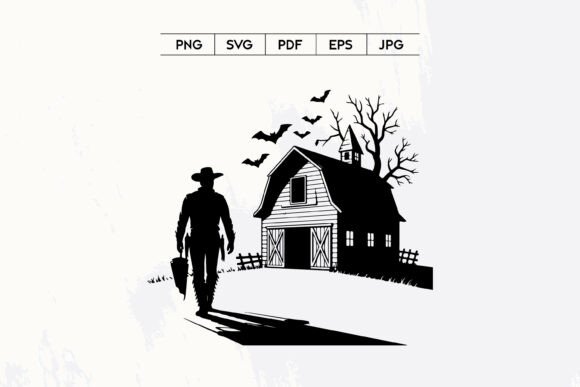
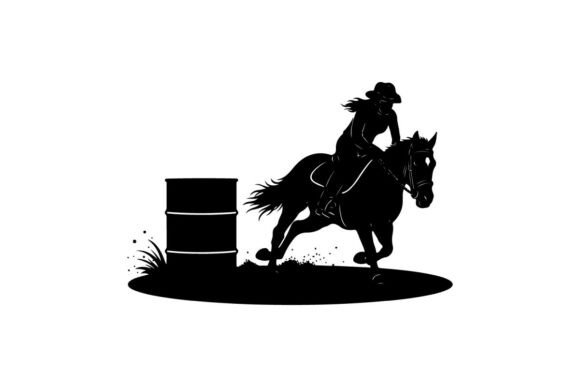
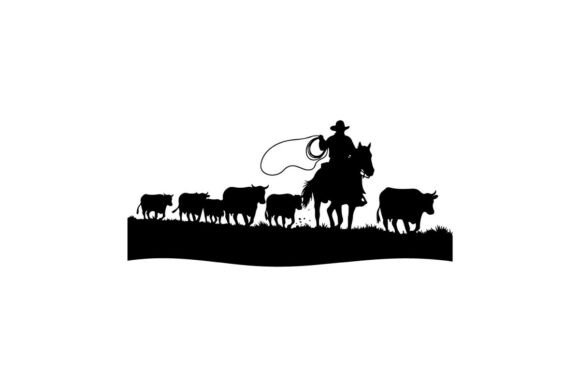
The silhouette of cowboy herding cattle immediately gives off a sense of movement and storytelling. Unlike overly detailed illustrations, this one uses negative space effectively, allowing the subject to stand out without overwhelming the viewer. The figure is simple but expressive, capturing the essence of the scene rather than every minute detail. That makes it perfect for applications where subtlety is key, like sweatshirt embroidery or handmade product branding.
I found the mood of the design to be grounded and authentic. It doesn’t shout; it whispers. This kind of personality works well for rustic-themed apparel, Western-inspired décor, or even subtle personalized gifts. As a craft business owner, I can see how this could become a signature piece for a boutique line targeting customers who appreciate understated style.
Layout and Detail Level
The layout is well-balanced, with the cowboy positioned slightly forward, guiding the eye toward the herd of cattle. There’s enough visual interest to avoid being too plain, yet not so much that it becomes cluttered. For someone using this as an embroidery file, the level of detail is manageable — no tiny lettering or intricate patterns that might get lost in stitching. The shapes are bold and defined, which is ideal when working with satin stitch or running stitch techniques.
Real-World Application: Tote Bag Embroidery
To test the design's performance, I decided to use it for a tote bag design project. The idea was to create a custom gift for a customer who runs a small ranch and wanted something that reflected their lifestyle. I stitched the Silhouette of Cowboy Herding Cattle at S onto a cotton canvas tote using two thread colors — black for the silhouette and a deep brown for shading. The result was impressive: the design maintained its crispness despite the fabric texture, and the contrast made it pop beautifully against the natural background.
Customers loved it. One even asked if they could order more for their small shop product line. That tells me this design has potential beyond just a single-use project. It adds character without overdoing it, which is exactly what you want in a machine embroidery design meant for everyday carry items.
Where It Shines
- Custom Apparel: Works great on sweatshirts and t-shirts, especially when placed centrally or along the back panel.
- Boutique Branding: Ideal for creating cohesive design assets across products like aprons, patches, or pillow covers.
- Gifts and Decor: Perfect for holiday gifts, nursery decor, or personalized home goods due to its warm, nostalgic feel.
- Digital Product Previews: Looks excellent in printable mockups for Etsy sellers or digital product creators showcasing their offerings online.
Design Limitations to Consider
While the silhouette of cowboy herding cattle is versatile, there are a few scenarios where it may not perform as expected. For example, if you're planning to embroider it on a very small hoop size (like under 4 inches), some of the finer details might lose definition. I also noticed that on stretchy fabrics, such as spandex blends, the design required careful tension adjustments to prevent distortion after washing.
Another consideration is fabric color. On dark backgrounds, the contrast between the thread colors used needs to be high to maintain visibility. In my tests, using a light-colored thread on a navy fabric gave better results than trying to use a medium tone. Also, on thin or textured materials like linen or burlap, extra stabilizer was necessary to keep the stitches from puckering or bleeding into the fabric weave.
When to Use with Caution
- Small Hoop Sizes: May require scaling down and simplifying parts of the design.
- Textured or Thin Fabrics: Could affect stitch clarity unless proper stabilizer is used.
- Curved Surfaces: Like caps or hats, where the flat layout might not translate well without adjustment.
- Frequent Washing: Especially for baby clothes or kitchen towels, where durability is key.
Visual Appeal and Professional Presentation
What stood out most about this minimal silhouette clip art is how it elevates the finished product. Even on basic materials, the design feels intentional and professional. It adds value to any item it’s embroidered onto, whether it’s a custom apparel piece or a holiday gift.
From a branding perspective, it helps maintain consistency across your product line. If you're an Etsy seller or a craft fair product creator, having a design that looks polished and cohesive is essential for building customer trust and encouraging repeat purchases. The Silhouette of Cowboy Herding Cattle at S does this well — it doesn't look "cheesy" or mass-produced, which is a big plus in the handmade market.
Customer Reactions and Engagement
In my own handmade shop, I’ve found that designs with clear narratives tend to engage buyers more. This one definitely fits that bill. People connect with the imagery — it’s relatable, charming, and evokes a sense of adventure or nostalgia depending on the context. Whether it’s a personalized gift or part of a larger collection, it tends to spark conversation and appreciation.
Embroidery Designer Notes and Best Practices
Before jumping into production, here are some tips based on my hands-on testing:
- Test on Scrap Fabric First: Especially if you're new to the design or using unfamiliar materials.
- Check Thread Color Contrast: Ensure the silhouette stands out clearly against your chosen fabric.
- Review Stitch Density: Adjust fill stitches or running stitches as needed to match the fabric type and desired outcome.
- Confirm Hoop Size: Make sure your machine hoop can accommodate the full design without cutting off important elements.
- Inspect Small Details: Look closely at corners and edges to ensure they remain sharp after stitching.
- Use Proper Stabilizer: A good backing can make all the difference in maintaining shape and preventing snags.
- Test in Black and White Mockups: This helps determine how the design will appear in grayscale or on different colored threads.
- Compare Light and Dark Backgrounds: See which offers the best visibility and aesthetic balance.
- Check Licensing Before Selling: Always verify if the digital embroidery file allows commercial use, especially if you’re selling finished products or digital downloads.
Final Thoughts on Project Suitability
If you're looking for a multi-use design that can transition smoothly between personal and commercial projects, the Silhouette of Cowboy Herding Cattle at S is a solid choice. It brings a touch of elegance and charm to anything it adorns, from embroidered patch work to apparel decorators aiming for a minimalist vibe.
However, don’t assume it will work flawlessly in every situation. Take time to understand the nuances of the design and how it interacts with different materials and settings. With thoughtful application, it can become a valuable asset in your creative toolkit — enhancing product value, giftability, and overall buyer engagement.
A Balanced Approach to Design Selection
Ultimately, the key to successful embroidery lies in choosing designs that align with your brand and your audience’s expectations. The Silhouette of Cowboy Herding Cattle at S isn’t flashy, but it’s memorable. It’s a design that respects the craft of embroidery by staying true to its form — offering a professional-quality result that’s easy to adapt and hard to forget.
For creative entrepreneurs and small shop owners, this kind of graphic is a win. It supports your vision without overshadowing it. Just remember to tailor your execution to the specific needs of each project, and you’ll find that this illustration has more versatility than it first appears.