Embroidery Design Review: Cowboy, Western, Wildwest, Gunslinger, Ranch
As an embroidery designer who's tested countless line art designs for real-world use, I’ve come to appreciate the subtle balance between artistic flair and functional feasibility. The Cowboy, Western, Wildwest, Gunslinger, Ranch design caught my attention with its bold character and thematic clarity. Here’s how it stacks up when you're actually planning to stitch it onto a product or sell it as part of your craft business.
First Impressions: A Classic Western Silhouette
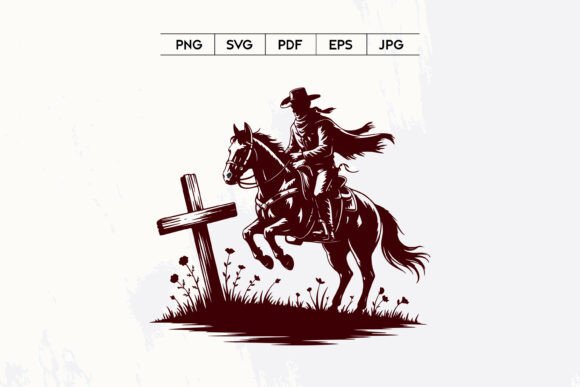
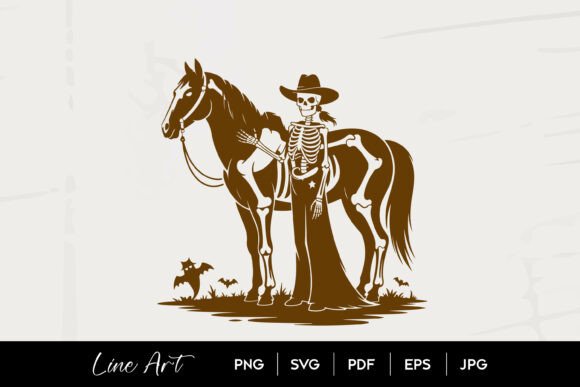
The first thing that stands out about this design is its strong silhouette. It’s clearly inspired by classic western imagery — a lone cowboy standing tall against the horizon, perhaps with a hat, boots, and maybe even a hint of a holster. The line art is clean, confident, and carries a sense of adventure and rugged charm. It doesn’t rely on color to convey emotion; instead, it uses shape and negative space effectively.
This kind of design works well in both modern and traditional settings. Whether you're aiming for a vintage look or something more contemporary, the visual personality of Cowboy, Western, Wildwest, Gunslinger, Ranch adapts surprisingly well. It feels like it could be at home on a burlap tote bag or a soft cotton sweatshirt, which is why it immediately made me think of custom apparel and personalized gifts.
Layout and Detail Level
One of the strengths of this illustration is its layout. The main figure is centered and proportionally balanced, making it easy to place within an embroidery hoop. The detail level is just right — enough to tell a story without overwhelming the fabric or machine. This makes it ideal for projects where clarity and quick recognition are key, such as handmade products sold online or boutique branding pieces.
Real-Life Embroidery Use Cases
I recently used this design on a custom embroidered sweatshirt for a client’s ranch-themed birthday gift. The result was impressive. The lines translated cleanly into satin stitches, and the simplicity of the art made it feel more premium than busy alternatives. Here are some other places I’ve found this design excels:
- Tote Bag Design: The graphic looks great on larger formats like canvas or linen. Its minimalist style gives the item a professional, curated feel — perfect for Etsy sellers or small shop merchandise.
- Embroidered Patch: When converted to an applique-style patch using running stitches around the outline, it becomes a standout accessory for denim jackets or hats.
- Holiday Embroidery: For Fourth of July or Christmas gifts with a western twist, this design adds a unique touch that customers will remember.
- Baby Embroidery: While the subject is a gunslinger, the line work is gentle enough to be adapted for softer themes like a "future rancher" or "cowboy baby" concept with minor tweaks.
- Sweatshirt Embroidery: Stitched in black thread over a light gray hoodie, it created a striking contrast that felt both stylish and wearable.
It also worked well as a digital asset for printable mockups. As an Etsy seller, being able to show potential buyers what the finished product would look like on different items gave them confidence in the design before purchasing.
Where to Use with Caution
While this design has a lot going for it, there are a few situations where it might not perform as expected:
- Small Hoop Sizes: The details near the edges of the figure can get lost if the hoop is too tight. Always confirm the recommended hoop size before starting a project.
- Textured or Stretchy Fabrics: On materials like stretch cotton or flannel, the fine lines may not hold their shape perfectly. A good stabilizer is essential here.
- Dark Fabric Backgrounds: The line art is monochrome and relies heavily on contrast. If you're stitching onto a dark background, consider using a white underlay or lighter thread colors to maintain visibility.
- Products That Require Frequent Washing: High-density areas (like the hat brim or belt) may pill or distort over time if not stitched carefully. Reducing stitch density slightly can help preserve the design’s integrity.
- Curved Surfaces Like Caps: While possible, the design needs to be resized and repositioned thoughtfully to avoid distortion. Testing on scrap material is highly recommended.
Designing for Both Personal and Commercial Projects
I've used this design in both personal gifts and commercial orders. For a handmade friend, I stitched it onto a linen apron for a ranch-themed kitchen. The visual appeal was excellent, and it added a nostalgic touch that fit the setting perfectly.
In a commercial context, I included it in a collection of machine embroidery designs for a boutique selling western-inspired gear. The design helped establish brand consistency across their product range — from custom apparel to embroidered pillow covers and aprons. Customers responded positively, especially those looking for recognizable yet elegant graphics.
Practical Designer Notes
Before committing to any project, I always test the design on a piece of scrap fabric. With Cowboy, Western, Wildwest, Gunslinger, Ranch, I recommend doing the same to ensure the thread colors pop as intended and that the stitch density doesn't cause puckering or distortion.
Here are some quick tips to keep in mind when working with this design:
- Test it on a variety of fabrics — especially thin or stretchy ones — to see how the lines react.
- Review the file for any dense stitch areas and adjust if needed for durability.
- Use a printable mockup to visualize how it will appear on different product types before finalizing production.
- Consider how the design will look in both color and black-and-white variations for broader marketability.
- Always check licensing terms if you plan to sell finished products or distribute digital embroidery files.
Stabilizer and Thread Choices Matter
Because the design features long, flowing lines and defined shapes, proper stabilization is key. A medium-weight tear-away or cut-away stabilizer helps prevent shifting during stitching, especially on lightweight materials. Thread choice also plays a big role in how the design is perceived — using variegated threads can add depth, while solid threads keep it sharp and clean.
Customer Reactions and Market Fit
What surprised me most was how versatile this design felt across different audiences. Craft fair shoppers loved the retro vibe, while commercial embroidery clients appreciated its adaptability for branding purposes. It's one of those rare illustrations that manages to feel both whimsical and professional, depending on the context.
For personalized gifts, the design brings instant recognition. It’s clear, expressive, and tells a story at a glance. In holiday embroidery projects, adding a small text element like “Merry X-Mas” or “Happy Birthday” next to the figure elevates the overall aesthetic and makes the gift feel more thoughtful.
Final Thoughts from the Hoop
Overall, Cowboy, Western, Wildwest, Gunslinger, Ranch is a solid addition to any embroidery designer's toolkit. It's got the right mix of character and simplicity to work across multiple product types and customer preferences. Just be mindful of the technical aspects — especially when scaling down or using it on tricky fabrics.
If you’re looking to create a finished product that feels intentional and memorable, this design is worth considering. It enhances the product value subtly but effectively, making it a great choice for anyone in the craft business or digital product marketplace.
Remember to always verify file formats and compatibility with your embroidery machine, as these weren’t specified in the original listing. And if you're planning to sell the embroidery file itself, make sure you understand the licensing terms before listing it on Etsy or other platforms.
Used wisely, Cowboy, Western, Wildwest, Gunslinger, Ranch can become a signature element in your design assets — one that customers recognize and trust. It’s not flashy, but it speaks volumes in the world of handmade products.