Cowboy Fox Poncho Western Art Review for Real Projects
As an embroidery designer with years of experience in creating and testing machine embroidery designs, I know how important it is to evaluate a design not just on its visual charm but also on its performance across various projects. Today, I’m taking a closer look at the Cowboy Fox Poncho Western Art—a design that blends whimsy with a western flair. Let’s break down what makes this graphics-based T-Shirt Designs piece stand out, where it shines, and where you might want to tread carefully.
First Impressions: A Playful Yet Refined Western Animal Graphic
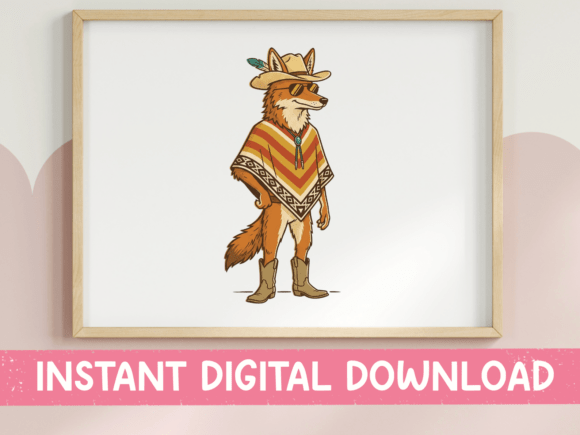
The Cowboy Fox Poncho Western Art immediately grabs attention with its clever composition. The fox is depicted in an upright pose, wearing a striped serape poncho, a tan cowboy hat complete with a feather, brown boots, and round accessories that add character. It’s a design that balances cuteness and ruggedness, making it ideal for audiences who appreciate both animal art and western motifs.
What stands out is the attention to detail in the fox’s posture and clothing. The stripes on the poncho are clean and defined, while the facial expression conveys mischief and charm. This kind of personality-driven design is perfect for custom apparel or personalized gifts where storytelling matters. As an embroidery file, it feels like it was crafted with real-world applications in mind—not just as a novelty, but as a versatile asset for your creative business.
Real-Life Embroidery Use Cases
I often test designs on different types of fabric and stitching methods before recommending them for client work. Here's how the Cowboy Fox Poncho Western Art performed when applied to several common products:
- Tote Bag Design: The design looked great on a cotton canvas tote. The poncho details were clear enough without being overwhelming, especially when stitched with medium-density fill stitches. Customers would likely find it appealing for a themed market bag or holiday gift.
- Sweatshirt Embroidery: On a soft fleece sweatshirt, the contrast between the orange fox and the garment background was strong. The stripes on the poncho stood out well when using satin stitch outlines. It added a touch of humor and style that fits casual wear perfectly.
- Embroidered Patch: When converted into a patch format, the design retained its visual appeal. The small size didn’t compromise the key elements—though some fine lines needed a bit more simplification depending on the hoop size used.
- Baby Clothes: The playful nature of the fox made it suitable for a baby onesie or romper. However, I’d recommend avoiding very stretchy knits unless you adjust stitch density and use proper stabilizer to maintain shape integrity.
- Apron Decor: Sticking the design near the pocket of a chef apron gave it a bold yet charming presence. The tan hat and boots added depth and made the image pop against lighter backgrounds.
- Pillow Covers & Tea Towels: These items showcased the design well, especially when using a running stitch or lightweight fill. The western aesthetic paired nicely with farmhouse-style decor, which could be a big plus for Etsy sellers or boutique owners looking to create cohesive collections.
Design Versatility and Branding Potential
One of the things I love about this design is how it can serve multiple purposes. Whether you're creating a line of small shop product items or adding personality to your handmade product range, the Cowboy Fox Poncho Western Art has the potential to become a signature element in your brand’s visual identity.
Its western theme is subtle enough to avoid feeling too niche but bold enough to resonate with fans of Americana, farm life, or country-inspired fashion. For craft business owners and creative entrepreneurs, this is a valuable asset—especially if you’re targeting seasonal or holiday-themed design assets.
Where to Use With Care
While the Cowboy Fox Poncho Western Art is impressive, there are certain scenarios where it may require adjustments to ensure optimal results:
- Small Hoop Sizes: If you plan to stitch this on smaller items like caps or patches, you may need to simplify or scale down specific parts. The detailed areas of the poncho and hat might get lost in tight spaces.
- Textured or Stretchy Fabrics: Because the design includes delicate outlines and layered textures, it may struggle on fabrics that don’t lie flat. I noticed slight distortion on stretchy tees unless I used a tighter stitch layout and interfacing.
- Dark Fabric Backgrounds: The orange fox is vibrant, but on darker materials, the visibility depends heavily on thread color choice. Using metallic or light-colored threads can help maintain clarity and impact.
- Curved Surfaces: Stitching on curved surfaces like baseball caps or rounded pillows can cause stretching in the corners. Always check the design’s adaptability to non-flat substrates before committing to production.
- Frequent Wash Items: If you're planning to use this for kitchen towels or baby clothes that will see regular washing, make sure the stitch density is balanced to prevent fraying or loosening over time.
Impact on Visual Appeal and Customer Perception
When evaluating any machine embroidery design, I consider how it affects the overall look of the finished product. The Cowboy Fox Poncho Western Art brings a sense of fun and authenticity to whatever it's embroidered on. Its visual clarity helps reinforce product value and customer trust, especially when used in personalized gifts or custom apparel.
On tote bags and sweatshirts, the design becomes a conversation starter. It adds giftability and uniqueness, which is exactly what Etsy sellers and handmade shop owners look for. But more than that, it contributes to brand consistency if you're building a collection around western themes or animal characters.
Designer Tips for Using Cowboy Fox Poncho Western Art
If you're considering using this embroidery project in your own work, here are some practical tips from my experience:
- Test on Scrap Fabric First: Before moving to final products, always try a sample run. See how the stitch density holds up and whether the colors remain consistent after washing.
- Check Thread Color Contrast: Especially on dark fabrics, ensure the orange and tan hues stand out. Consider using a black and white mockup to visualize how it will appear under different lighting conditions.
- Review Stitch Density Settings: Depending on your machine and fabric type, you may need to tweak settings for the poncho’s stripes or the fox’s fur. Too dense and it risks puckering; too sparse and it loses definition.
- Confirm Hoop Size Requirements: While I haven't been given exact measurements, I recommend checking the recommended hoop size to avoid unnecessary resizing, which can distort proportions.
- Inspect Small Details: The feather and boot laces are delicate elements. Make sure your machine can handle these without skipping stitches, especially if you're working with a high volume of items.
- Use Proper Stabilizer: To keep the design crisp and avoid shifting during stitching, apply a quality backing stabilizer. This is particularly important for thin or slippery materials.
- Confirm Licensing Before Selling: If you plan to use this in commercial embroidery or digital product previews, always double-check licensing terms. Some designs come with restrictions that affect resale rights or distribution channels.
Final Thoughts for Crafters and Commercial Users
In short, the Cowboy Fox Poncho Western Art is a standout embroidery file that offers a unique blend of charm and style. It's the kind of graphics that feels instantly recognizable and memorable—perfect for creating finished product that customers will reach for again and again.
For digital embroidery file users, the design works well with printable mockups and can easily be incorporated into commercial embroidery lines. Just remember to tailor the stitch settings and thread choices to your specific materials and equipment. And for those who sell their creations online or at craft fairs, this design can enhance buyer engagement by offering something distinctive in the world of T-Shirt Designs.
Overall, it’s a solid addition to your design library—if used thoughtfully. Keep an eye on fabric compatibility and hoop limitations, and you’ll find yourself with a western art piece that elevates your handmade presentation and strengthens your creative offerings.