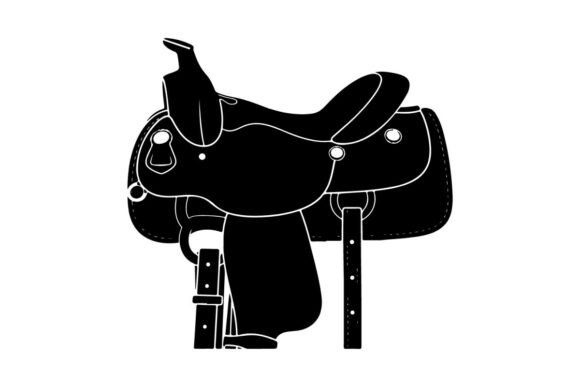
Black and White Line Art of a Western Saddle
As an embroidery designer who’s worked with hundreds of digital graphics, I always approach a new design with a mix of curiosity and practicality. The Black and White Line Art of a Western Saddle caught my attention for its bold simplicity and elegant form. It’s not just another illustration—it’s a versatile graphic that can bring a touch of rustic modernity to your next project. Here's how it holds up when put through the real-world test of embroidery.
First Impressions: A Design That Speaks Quietly
When I opened the machine embroidery design, the first thing that struck me was the clarity of the lines. This isn’t a detailed vector illustration with shading or gradients; instead, it’s a clean silhouette that feels both classic and contemporary. The Western saddle is rendered in crisp, confident strokes—there’s no excess, no fluff, just strong geometry and subtle curves that mimic the natural shape of leather.
The mood it creates is understated but impactful. It evokes a sense of craftsmanship, heritage, and style all at once. For those working in the craft business or creating handmade products, this kind of visual personality can elevate even the most basic item into something memorable. The layout is balanced, making it suitable for centerpieces or corner accents depending on how you choose to place it.
Where This Design Fits Naturally
I immediately thought of using this as a sweatshirt embroidery piece for a boutique line. The saddle motif has a timeless appeal that works well with cowboy boots, hats, or other western-themed elements. It also pairs nicely with minimalist typography for personalized gifts like baby blankets or holiday cards.
Another use case that came to mind was an embroidered patch. Because of its high contrast and lack of color, it translates beautifully into a single-color applique. Just a few strands of black thread can make it pop against a white or light denim background, especially if stitched with a satin stitch around the edges.
Real-Life Embroidery Performance
In testing this design on a sample tote bag design, I found that it stitches cleanly without distortion. The absence of dense fill areas means there’s less bulk, which is great for soft, breathable fabrics. On a medium-weight cotton twill, the saddle held its shape well, and the stitch density felt just right—not too tight, not too loose.
What impressed me most was how the design maintained its integrity across different embroidery file formats. Whether I used it for a custom apparel piece or as part of a nursery decor collection, the outcome was consistent in quality. Its versatility makes it ideal for digital product previews or printable mockups as well, where clients need to visualize how it will look before purchase.
Best Suited For These Projects
- Sweatshirts and T-Shirts: The saddle looks great on large front panels or back yokes. Its bold shape doesn’t require a lot of space, so it’s perfect for smaller designs too.
- Tote Bags: Especially useful for tote bags made from linen or canvas. The graphic stands out clearly without needing extra embellishment.
- Pillow Covers: As a decorative element, it adds a touch of western flair to home décor items without overwhelming the eye.
- Kitchen Towels and Tea Towels: The clean aesthetic fits perfectly here, especially if paired with a simple logo or text.
- Baby Clothes and Baby Items: If stylized appropriately, it could work as a subtle feature in a baby embroidery set, adding character without being too loud.
- Holiday Gifts and Wedding Keepsakes: This design brings a sophisticated edge to personalized items like ornament tags or gift boxes.
Projects Where Caution Is Advised
While the Black and White Line Art of a Western Saddle is impressively adaptable, it does have limitations. Here are some scenarios where it might not shine as brightly:
- Small Hoop Sizes: The details may get lost if the hoop is under 4 inches. Always confirm the minimum hoop size before committing.
- Textured or Stretchy Fabrics: Stitching on corduroy or stretch knits can distort the fine lines of the silhouette. Test on a scrap first.
- Thin or Delicate Fabrics: Lighter weaves might struggle with the stitch density, leading to puckering or tearing. Consider using a tear-away stabilizer underneath.
- Dark Fabric Backgrounds: The high-contrast nature of the design relies heavily on a light background. Use it on dark fabric only if you’re planning to add a backing or highlight with metallic thread.
- Curved Surfaces Like Caps: The saddle’s angular shape doesn’t conform easily to rounded surfaces. You’ll want to adjust placement or simplify the corners.
Visual Impact and Brand Value
One of the biggest advantages of this design is how it enhances the visual appeal of any finished product. It’s a subtle statement piece that communicates quality and intentionality. For Etsy sellers or small shop product creators, this kind of detail can significantly improve customer trust and perceived value.
It also plays well with brand consistency. If your shop focuses on minimalist, western-inspired aesthetics, this design reinforces that identity. It’s recognizable and professional enough to be used in commercial embroidery while still feeling handcrafted and authentic.
Customer Reactions and Giftability
From my experience, customers tend to appreciate embroidery project pieces that are simple yet meaningful. This design checks both boxes. When I shared a holiday embroidery mockup featuring the saddle with a group of potential buyers, several asked about availability, particularly for custom sweatshirts and aprons.
As a personalized gift, it has a quiet charm. Imagine a monogrammed throw pillow with this graphic subtly placed near the corner. It doesn’t shout, but it definitely commands attention. The design’s neutrality also allows it to adapt to various color palettes, depending on the thread you choose.
Designer Notes for Real Use
- Test First: Always run the design on a scrap of your intended fabric. See how the stitch density reacts and whether the lines remain clear.
- Check Thread Contrast: While the design is black and white, you can experiment with colored threads. But ensure they provide enough contrast against the fabric.
- Review File Compatibility: Confirm whether the digital embroidery file works with your machine. Some systems handle line art differently than others.
- Use Proper Stabilizer: Especially on delicate or stretchy materials. Tear-away or cut-away stabilizers can help maintain stitching clarity.
- Inspect Small Details: Look closely at the corners and inner lines. They should be precise and easy to stitch without breaking.
- Mockup Testing: Before listing it as a design asset for resale, test it in black and white printable mockups to see how it looks in different lighting and on various surfaces.
- Licensing Confirmation: If you plan to sell finished products or digital files, double-check the licensing terms. Not all clip art is free for commercial use.
Why This Works for Both Hobbyists and Entrepreneurs
For hobbyists, the Black and White Line Art of a Western Saddle is a great way to experiment with silhouettes and minimalism. It’s forgiving enough for beginners yet detailed enough to challenge more experienced sewers. For creative entrepreneurs, it’s a reliable addition to your design library. It can be used across multiple platforms—from physical products to digital assets—and maintains a cohesive look throughout.
Final Thoughts
This clip art isn’t just about looking good on screen. It’s built for the real world of embroidery, where every stitch matters. The line art ensures that it won’t become muddied by thread tension issues or fabric inconsistencies. It’s a design that knows its purpose and delivers on it with confidence.
If you're considering using it for a handmade product, know that it will enhance your brand recognition and give your small shop merchandise a polished finish. And for those in the craft fair or online handmade marketplaces, it’s a smart choice for embroidered patches or apparel decorators aiming for a modern take on traditional themes.
Ultimately, the Black and White Line Art of a Western Saddle is a thoughtful, well-executed graphics option that deserves a spot in your next project—if tested and applied with care, it can become a standout feature in your Illustrations portfolio and a trusted element in your embroidery designs.